


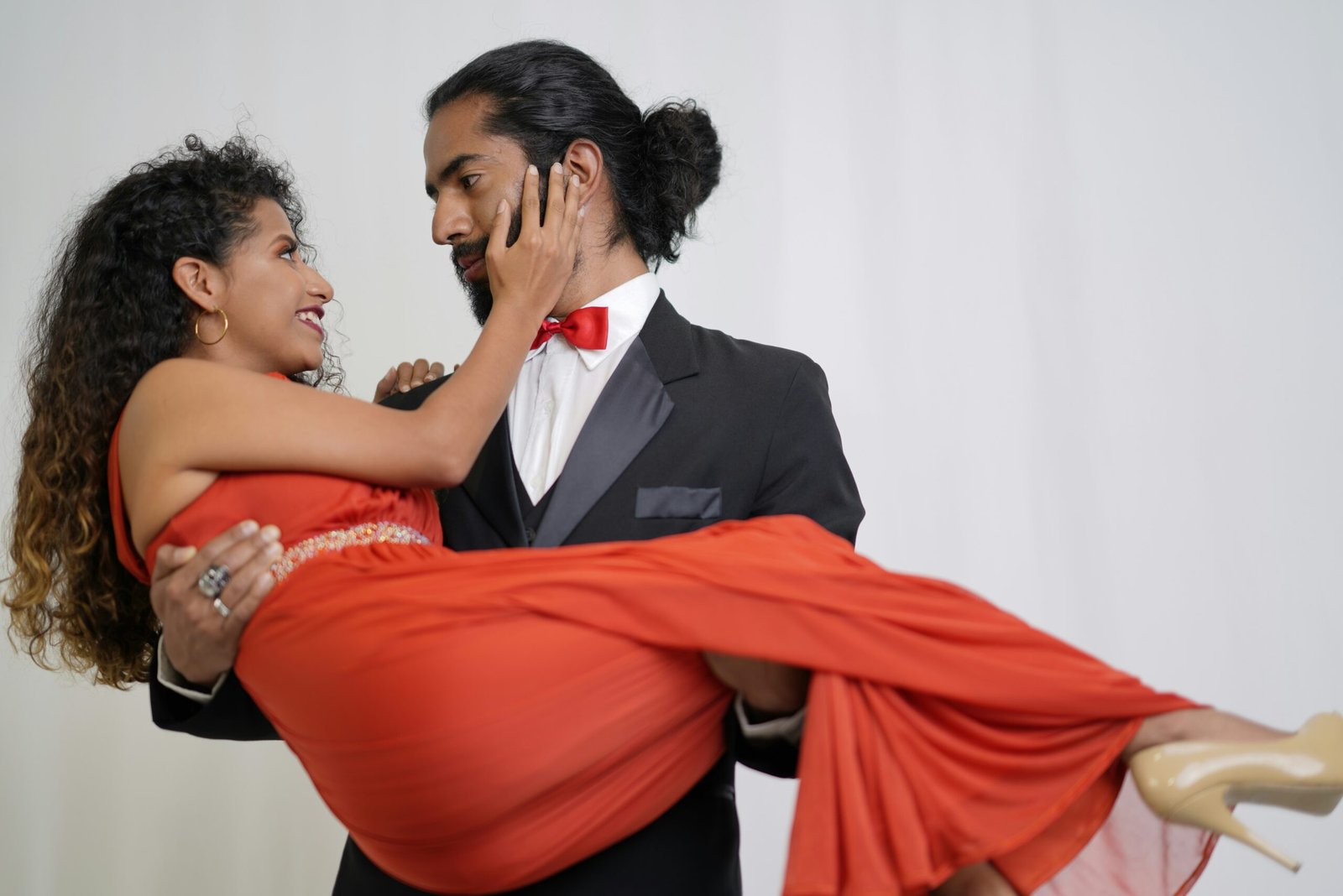
How flamenco and bachata can help protect your brain in Spain
When you live in Spain, you quickly notice that dancing is more than just entertainment. It’s part of life. You see it in the town squares, in small bodegas, and on the beach at sunset – people dancing simply because it feels good. But what many don’t realise is that this joy can also help protect the brain against dementia and Alzheimer’s.
Key information
- Regular dancing can help reduce the risk of dementia
- Flamenco trains memory, coordination and emotions
- Bachata is social, fun and very popular on the Costa Blanca
- Dancing combines physical activity, rhythm and social connection
Why dancing is so good for the brain
Yes, absolutely! Dancing is one of the most effective and holistic ways to stimulate the brain. While ordinary exercise like running or cycling mainly strengthens the brain through increased blood flow, dancing adds a complex layer of cognitive, sensory and emotional challenges.
When you dance, your brain lights up like a sparkling Christmas tree on a brain scan. Here are the most important ways dancing positively affects your neurons:
1. Brain fertilizer and neuroplasticity
When you learn new steps, remember a choreography and time your movements to the music, your brain is forced to adapt. This increases BDNF (Brain-Derived Neurotrophic Factor) – popularly known as “brain fertilizer” – which helps keep existing neurons alive and promotes the growth of new ones. It also strengthens neuroplasticity, the brain’s ability to reorganise itself and form new connections between neurons.
2. Activating multiple brain areas at once
Dancing is one of the few activities that requires simultaneous cooperation between many different parts of the brain. It combines physical movement, rhythm, memory, balance and social interaction – a powerful cocktail that keeps the brain active and resilient.
Protection against mental ageing
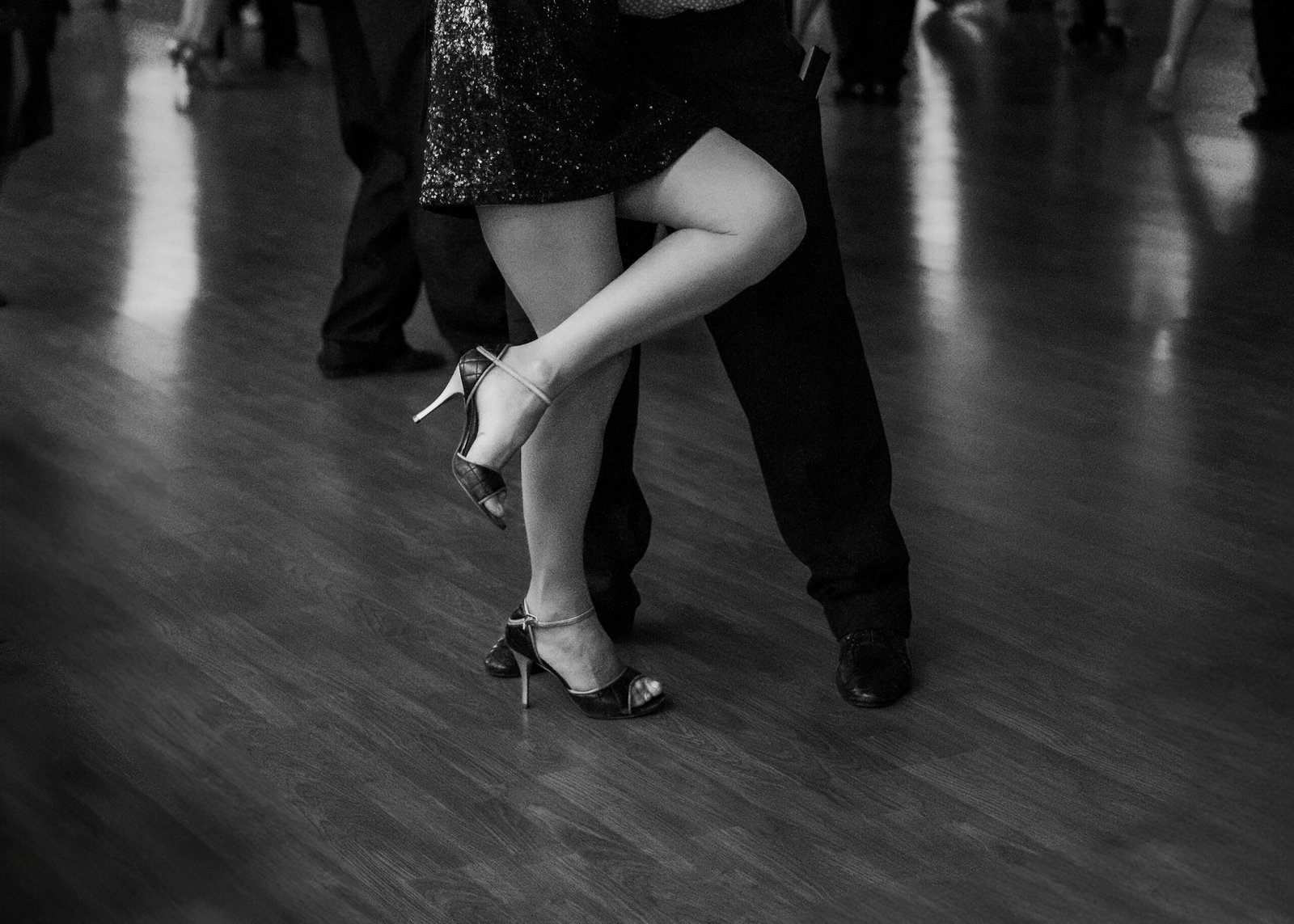
Research has shown that dancing is particularly effective at countering age-related mental decline. A well-known study published in the New England Journal of Medicine found that dancing was the only physical activity associated with a significantly lower risk of dementia – a reduction of as much as 76%.
This is likely because dancing constantly requires quick decisions (“which foot goes where now?”), which builds a strong cognitive reserve.
Dancing on the Costa Blanca
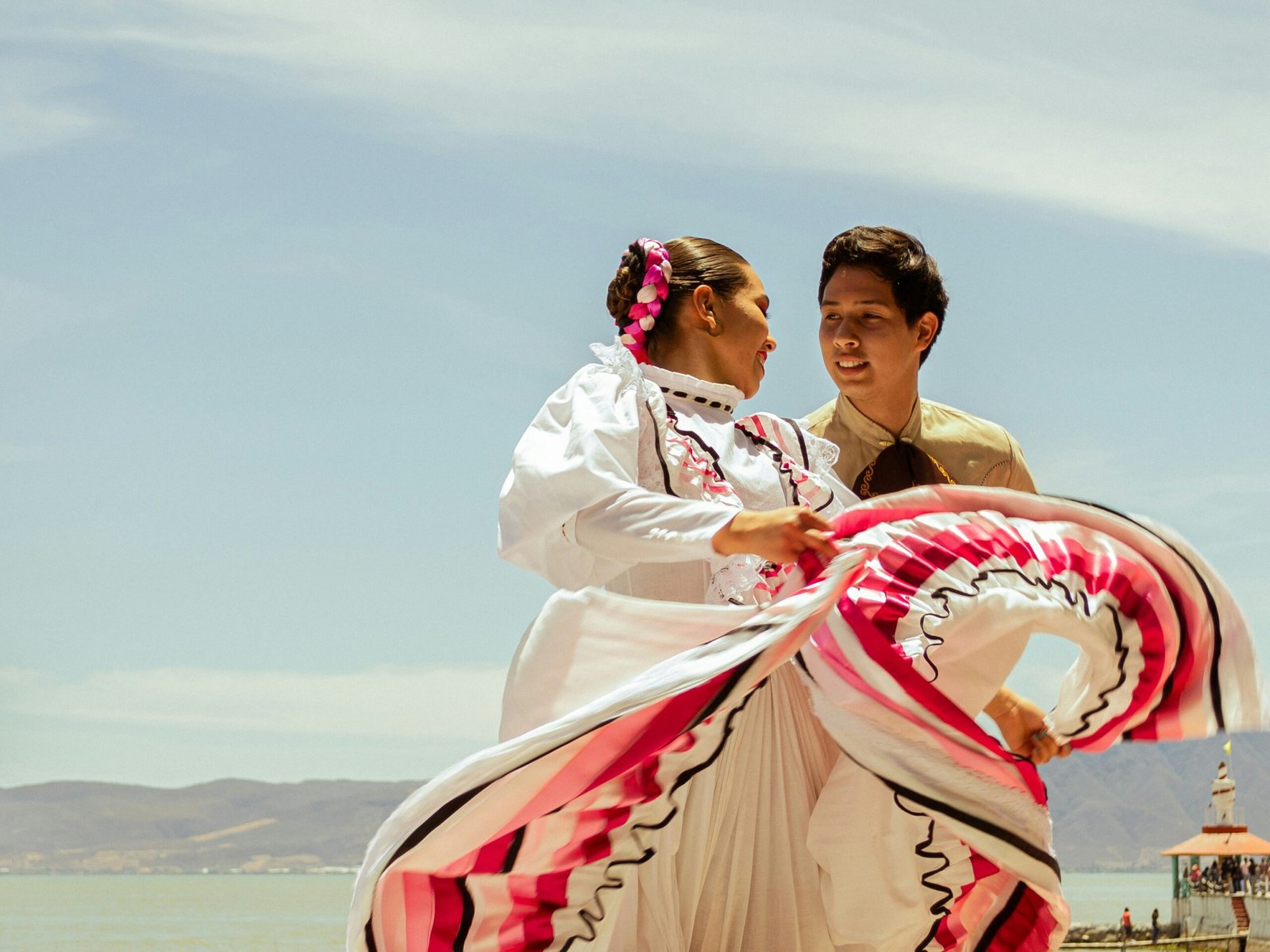
Here you have excellent opportunities. There are flamenco schools for all levels and plenty of bachata classes – including many for beginners and older dancers. The atmosphere is usually warm and welcoming, and it’s never too late to start.
Your body and brain will thank you for moving to music – and it’s actually fun. Maybe that’s why we see so many smiling, active seniors in Spain. They don’t just dance for pleasure – they dance to keep their minds young.
So next time you see people dancing in the square or hear music coming from a bodega, remember: it’s not just a party. It’s also good medicine for the soul and the brain.