


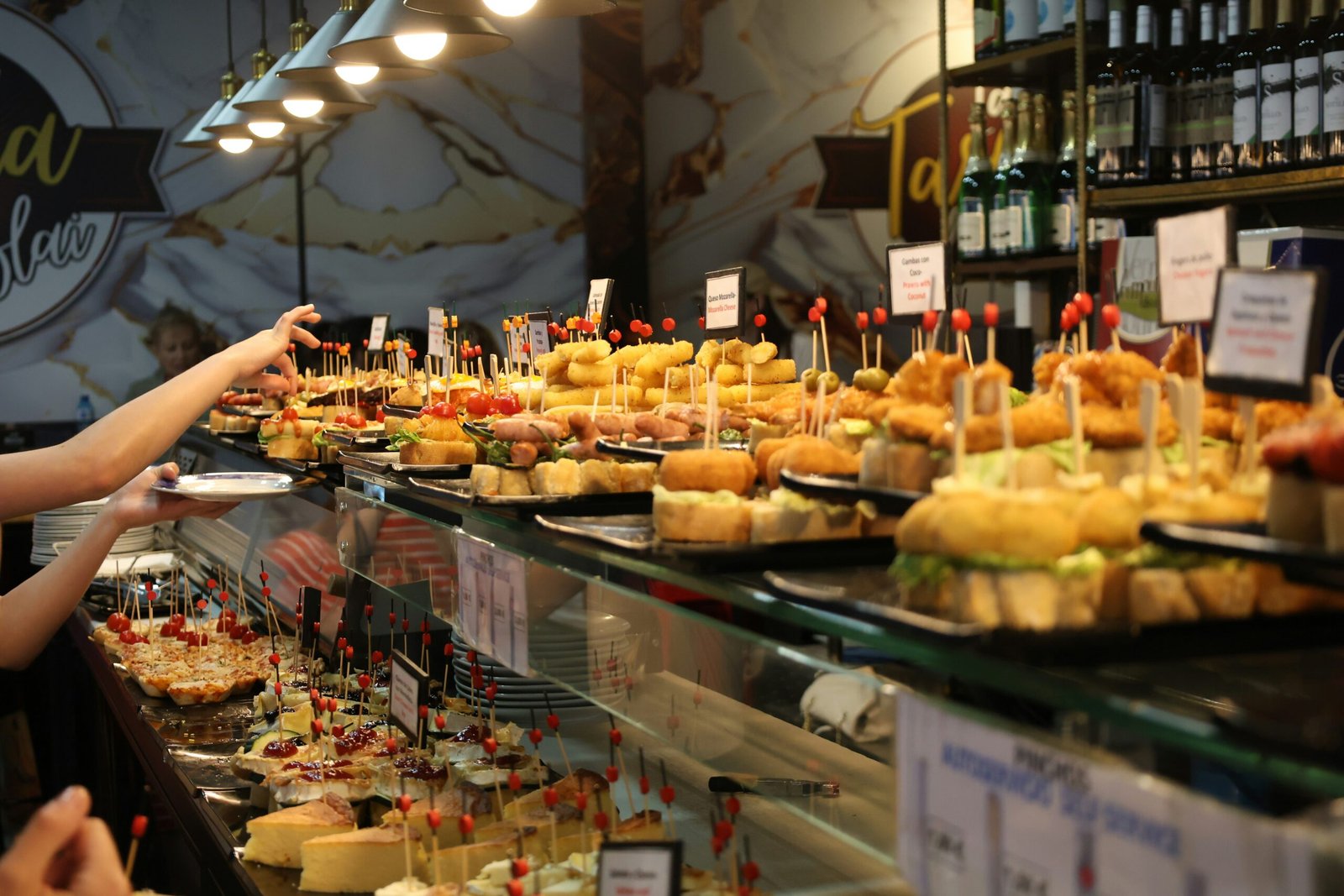
From practical solution to a beloved way of life
If you’ve ever enjoyed a glass of wine with small plates in Spain, you’ve taken part in one of the country’s most cherished traditions. But the real story behind tapas is far more interesting, practical and deeply rooted in Spanish culture than most people realise.
Key information
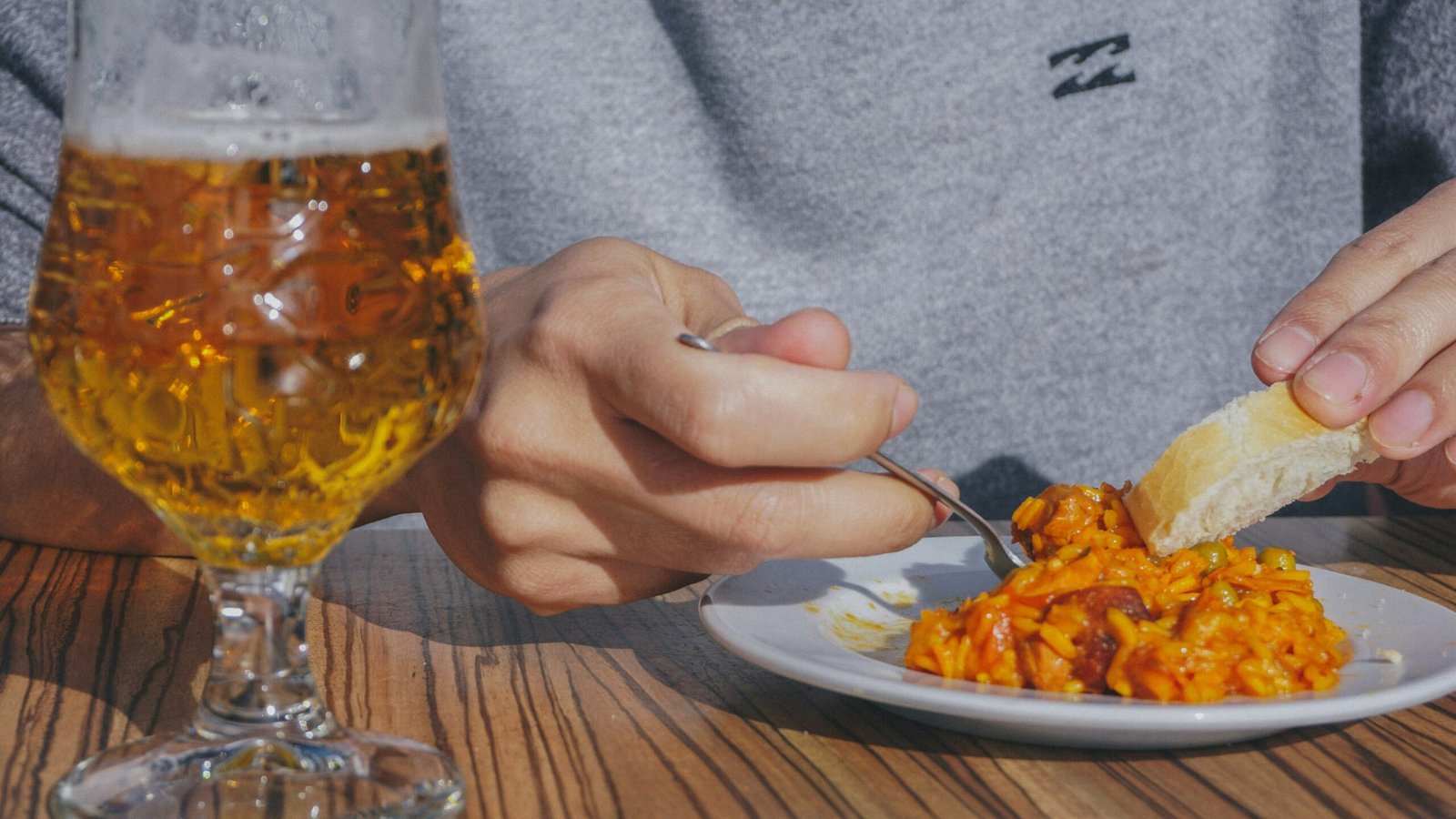
- The word “tapa” comes from the Spanish verb “tapar” – meaning “to cover”
- Originally a slice of bread or ham placed over a glass to protect the drink from flies and dust
- Modern tapas culture developed in Andalusia in the late 19th and early 20th century
- It evolved from a practical solution into a central part of Spanish social life
- Today tapas are one of Spain’s most successful cultural exports worldwide
The Practical Origin
The most credible explanation is wonderfully simple. In the hot climate of southern Spain, tavern keepers placed a small slice of bread, cheese or ham on top of wine glasses. This “tapa” protected the drink from flies, dust and sand. Customers eventually started eating the cover, and a custom was born.
Royal Legends and Historical Reality
Popular legends often involve kings. One credits King Alfonso X “the Wise” in the 13th century, who supposedly required taverns to serve food with wine. Another tells of King Alfonso XIII in Cádiz, where wind blew sand into his drink, prompting a clever innkeeper to cover it with ham. These stories are charming, but the real development of tapas culture happened much later in Andalusia.
The Andalusian Roots
At the end of the 19th and beginning of the 20th century, tapas as we know them today took shape in bars across Seville, Cádiz and Granada. Salty snacks were offered with drinks to encourage thirst and more orders. After periods of economic hardship, the tradition of sharing small plates became a way to enjoy food and company without great expense. It turned dining into a social ritual.
Why Tapas Matter Today
Tapas represent the very best of Spanish life: generosity, sociability, flavour and living in the moment. Whether you’re standing at a noisy bar or sitting on a sunny terrace in Torrevieja, ordering tapas is about more than eating — it’s about connection, conversation and enjoyment.
From humble beginnings as a practical cover for a glass of wine, tapas have become a global symbol of Spanish hospitality. Next time you share a plate of patatas bravas, jamón or gambas al ajillo, you’re continuing a tradition that started centuries ago and continues to bring people together.