


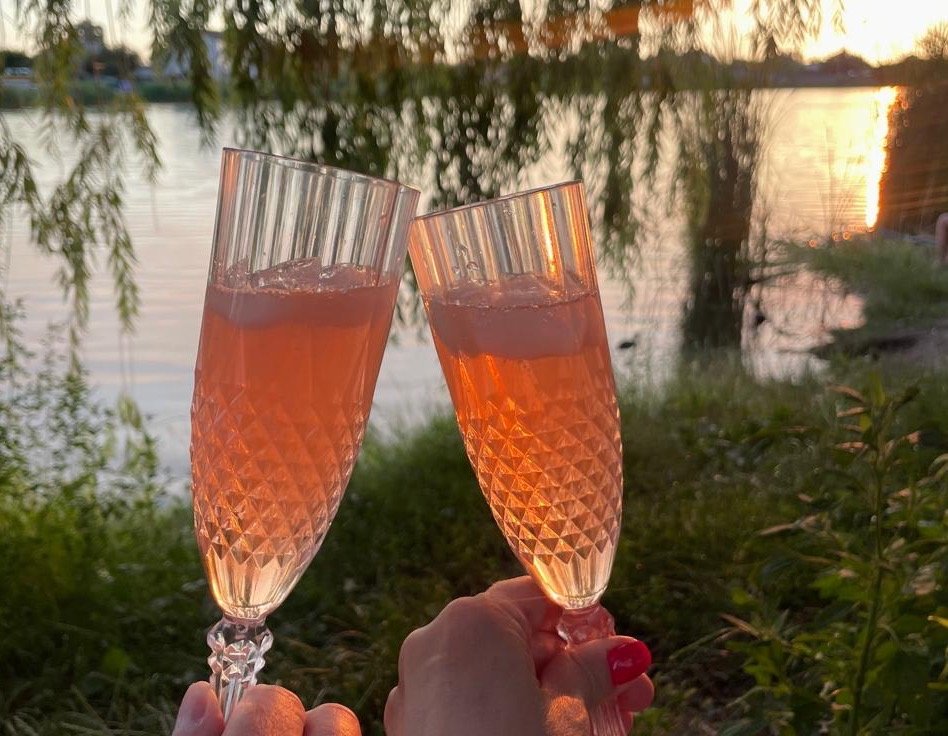
Today the world celebrates the elegant and versatile rosé
Today, Friday 26 June 2026, wine lovers across the globe are raising their glasses for International Rosé Day. What began as a cheerful initiative has grown into a global celebration of one of the most joyful and misunderstood wines — a wine that was long dismissed as simple and unserious, but now commands respect and admiration.
Key information
- International Rosé Day: Today, 26 June 2026
- Spain is the world’s second-largest rosé producer
- Colour comes only from skin contact — never by blending red and white wine
- Ranges from pale and mineral to full-bodied and structured
- Excellent with Mediterranean cuisine
A wine with ancient roots
Rosé is not a modern invention. Some of the earliest wines ever made were pink. In ancient times grapes were often pressed quickly to achieve a lighter colour. In the Middle Ages the so-called claretes — blends of red and white grapes — were highly valued. The modern rosé we know today found its true identity in Provence, where short skin contact with red grapes (typically Grenache, Cinsault, Syrah or Mourvèdre) produces those iconic pale shades of salmon, pink and golden rose.
Spain’s distinctive and passionate contribution
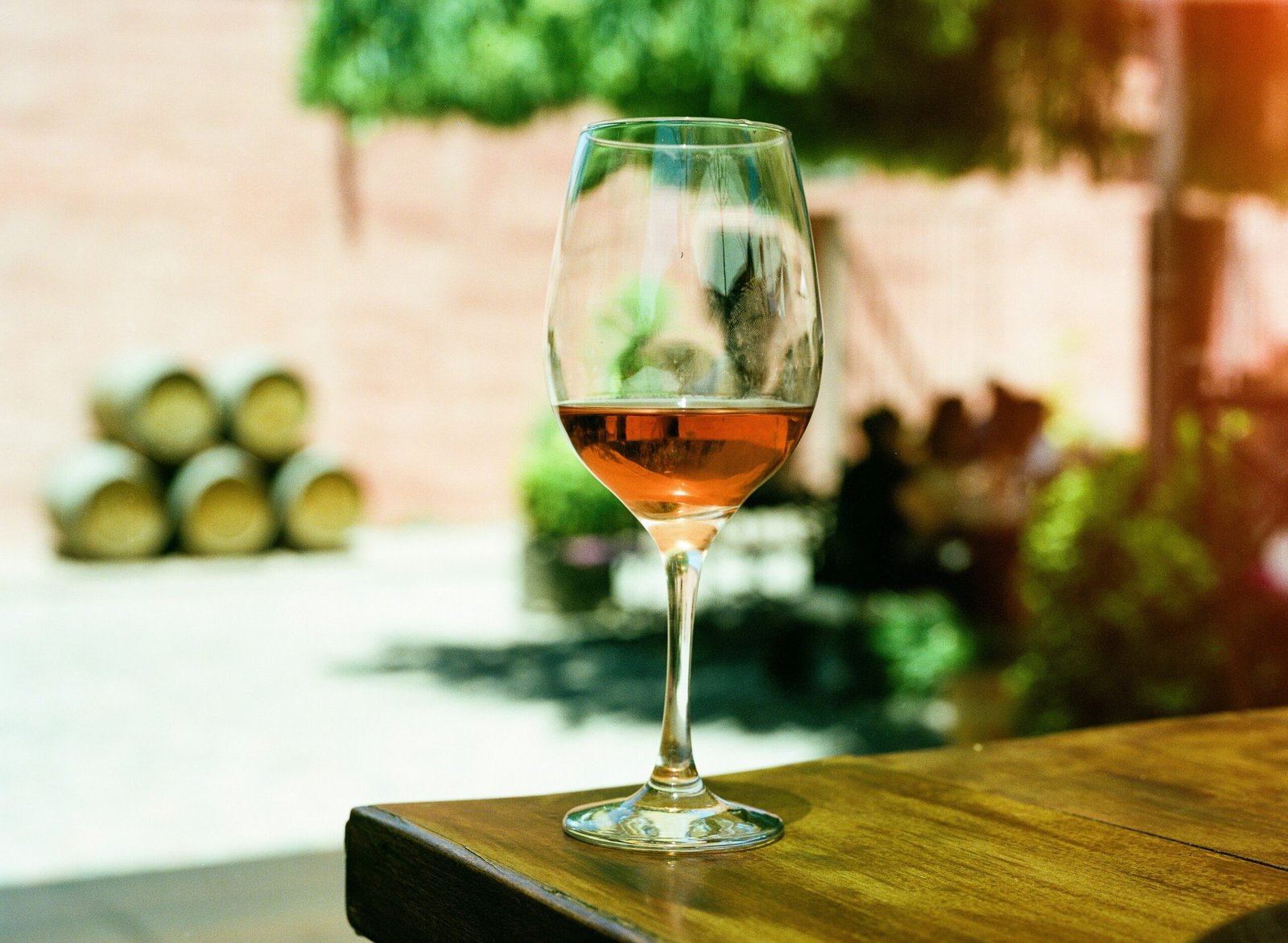
While Provence often sets the elegant, pale standard, Spain brings passion, diversity and character. As the world’s second-largest producer of rosé, Spain offers a broad spectrum of styles. In Rioja and Navarra, producers are creating refined rosados with red berry notes, subtle spice and sometimes a touch of oak. In Cigales, there is a long tradition of more complex claretes blending Tempranillo with local white grapes. In warmer regions like La Mancha and Utiel-Requena, fruit-driven rosados made from Bobal deliver excellent value and approachability.
Spanish rosado often has more body and intensity than the classic Provençal style — think red cherries, strawberry compote, herbs and a distinctly Iberian soul. This makes it an outstanding companion to Spain’s rich cuisine, from jamón ibérico and olives to grilled fish, paella and roasted vegetables.
Busting the myths
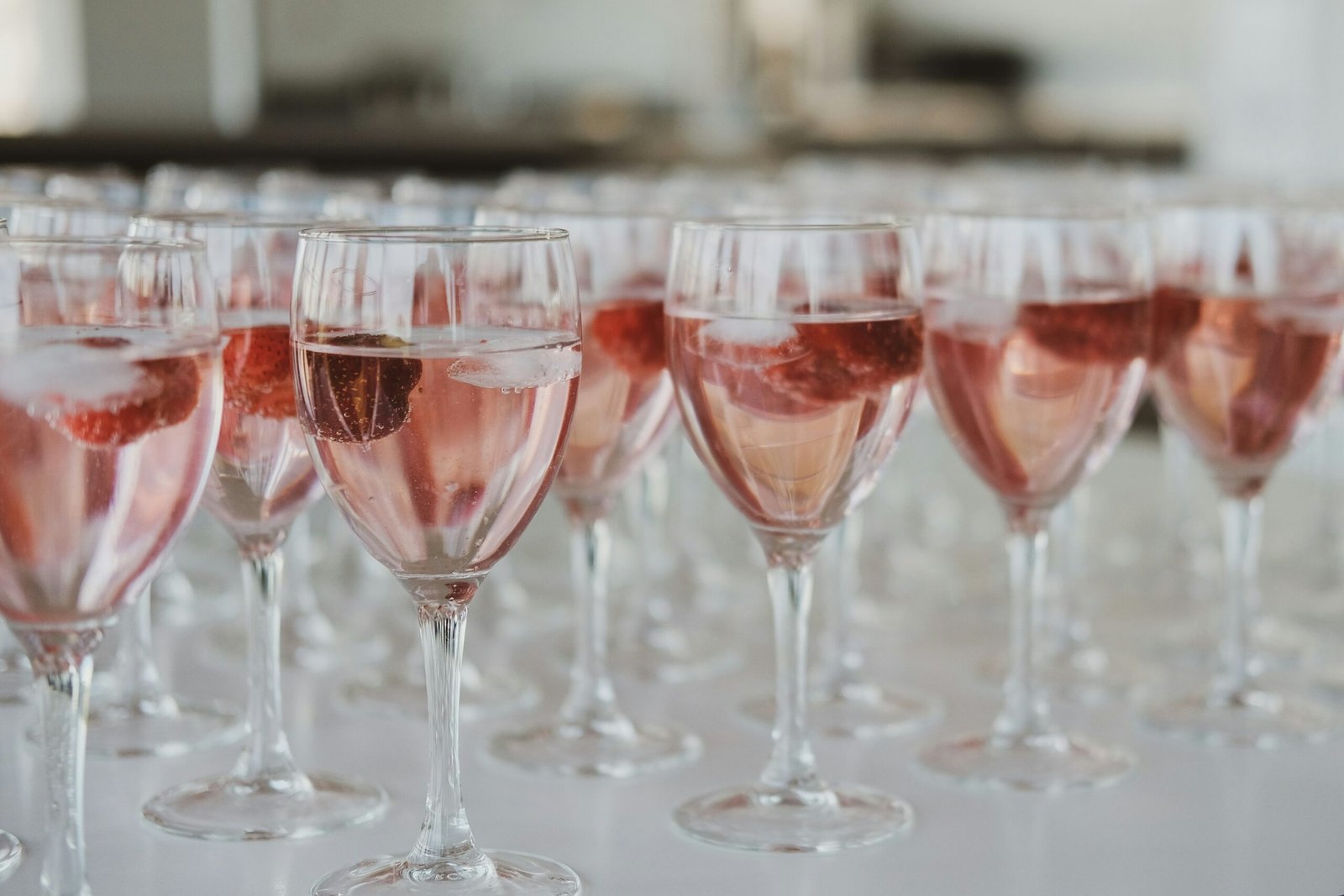
For too long rosé suffered from stereotypes: that it is always sweet, cheap and lacking depth. The reality is far more exciting. Today rosé ranges from bone-dry, mineral-driven wines with notes of grapefruit, rosemary and wet stone to fuller, structured styles with red fruit and subtle spice. It is one of the most food-friendly wines in existence.
A wine for the moment
Rosé is the wine of conviviality and shared pleasure. It asks very little of us except that we slow down and enjoy it. Whether on a terrace in Provence or by the sea on the Costa Blanca, a chilled glass of rosé creates moments of simple, sunlit joy.
International Rosé Day celebrates this pink seduction in all its forms. Spain contributes with its characteristic warmth and diversity, while Provence provides the elegant frame. Together they show that rosé is not just one thing — it is a whole spectrum of colours, aromas and stories.
So today we raise our glasses — to rosé in all its shades. ¡Salud!