


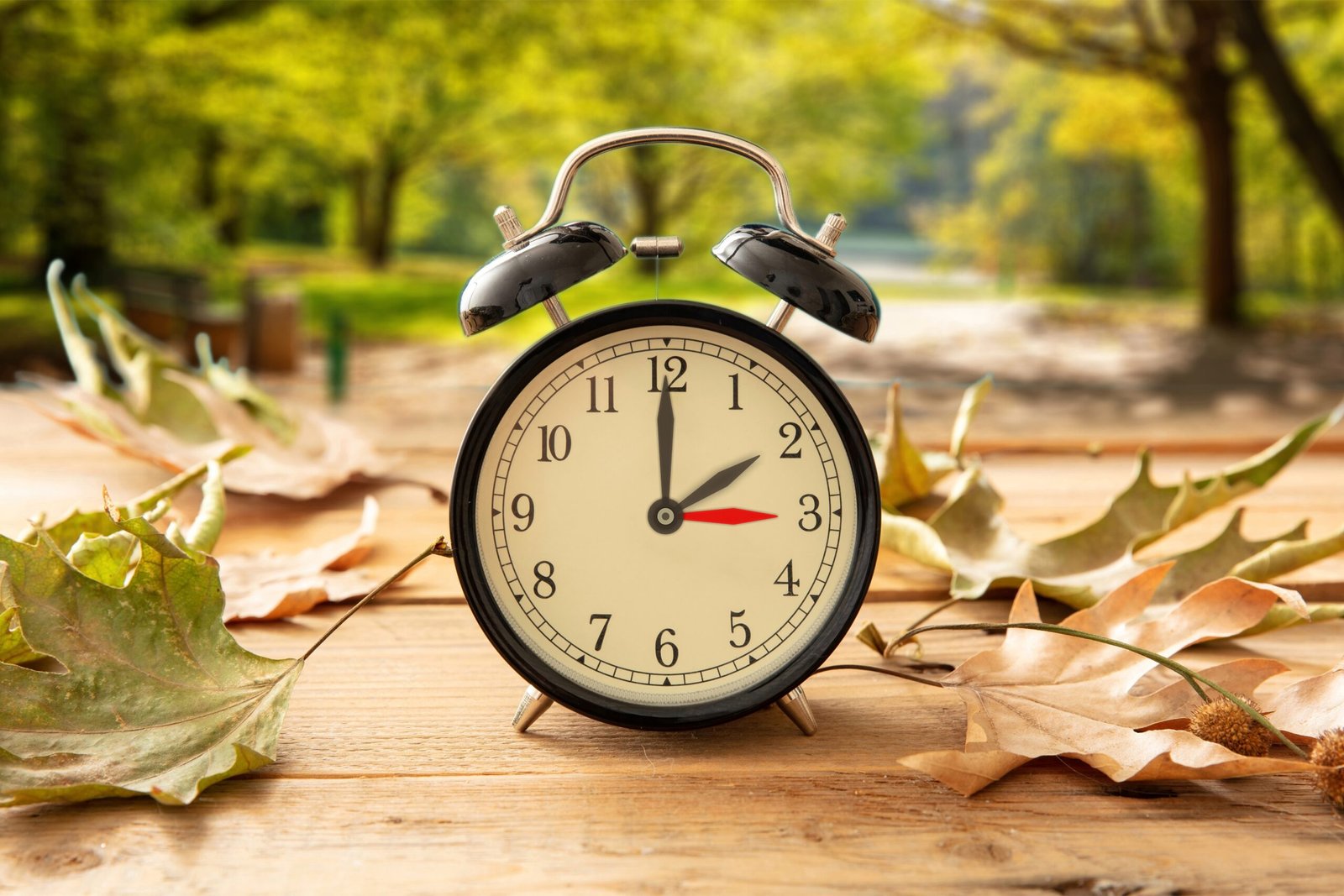
Europe ends daylight saving time at 3 a.m.
At 3 a.m. tonight, clocks across Europe will be set back one hour as daylight saving time ends for 2025. The change gives an extra hour of sleep and brighter mornings in the weeks ahead.
The end of daylight saving time is a significant moment in the annual calendar for millions of people across Europe and beyond. When the clocks go back by one hour, the change marks the official transition from summer time to standard time, a practice that has been in place across much of Europe since the 1970s and 1980s. The shift affects daily life in numerous ways, from sleep patterns and morning routines to the hours of daylight available for outdoor activities and work.
In Spain, as in most of continental Europe, the clock change takes place on the last Sunday of October. At 3 a.m., clocks are set back to 2 a.m., giving people an extra hour of sleep on that particular night. While this may sound like a welcome bonus, researchers and sleep scientists note that even a one-hour shift can disrupt the body’s natural circadian rhythm, with effects that can linger for several days or even weeks after the transition.
On the Costa Blanca, the end of daylight saving time is particularly noticeable because of the region’s latitude and its already generous sunshine hours. After the clocks go back, the sun sets noticeably earlier, with darkness falling before 6 p.m. in late October and even earlier as November progresses. For residents who enjoy evening walks along the promenade or outdoor dining, this change signals a shift in lifestyle habits, with more activities moving indoors as the season progresses.
The debate around daylight saving time has intensified in recent years, with the European Parliament voting as far back as 2019 to abolish the twice-yearly clock change. However, implementation has been repeatedly delayed due to disagreements among member states about which time zone to adopt permanently. Spain, for example, has considered aligning permanently with Central European Time, while other countries have debated the benefits of staying on summer time year-round.
For practical purposes in Torrevieja and across the Costa Blanca, the clock change means adjusting schedules for transport, business opening hours, and public services. Residents are advised to check updated timetables for buses and other public transport, as schedules may be adjusted in the days following the change. It is also a good opportunity to check and replace batteries in smoke detectors, clocks, and other time-sensitive devices around the home.
The next clock change in Spain will occur in spring, when clocks spring forward one hour on the last Sunday of March, marking the return of Central European Summer Time and longer evenings once again.
Once again, the debate has returned over whether Europe should stop changing the clocks altogether. While some prefer to keep lighter evenings, others argue that permanent standard time would better suit people’s health and natural rhythm.
For now, the rule still applies — clocks go back one hour tonight.