


A nation deeply divided
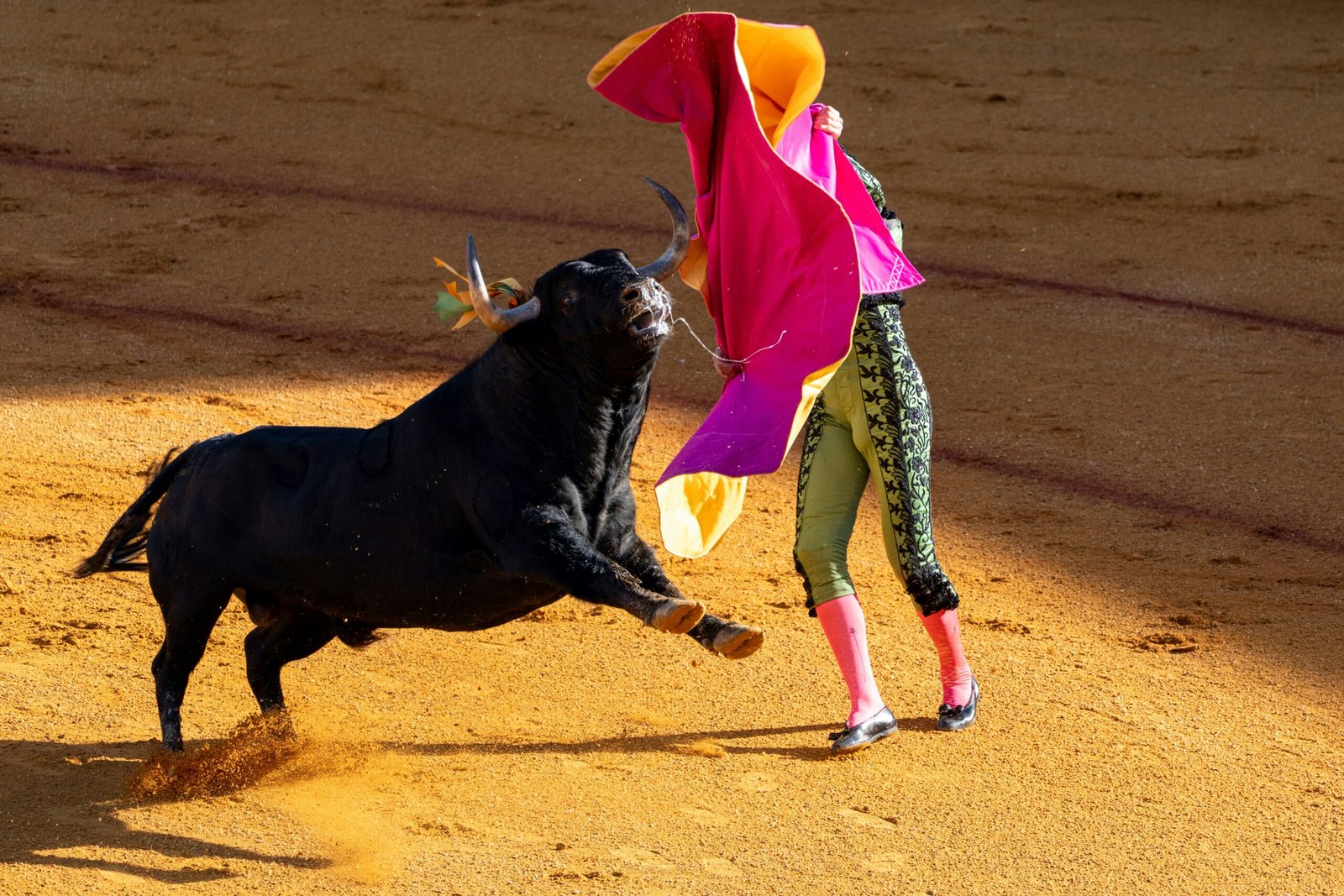
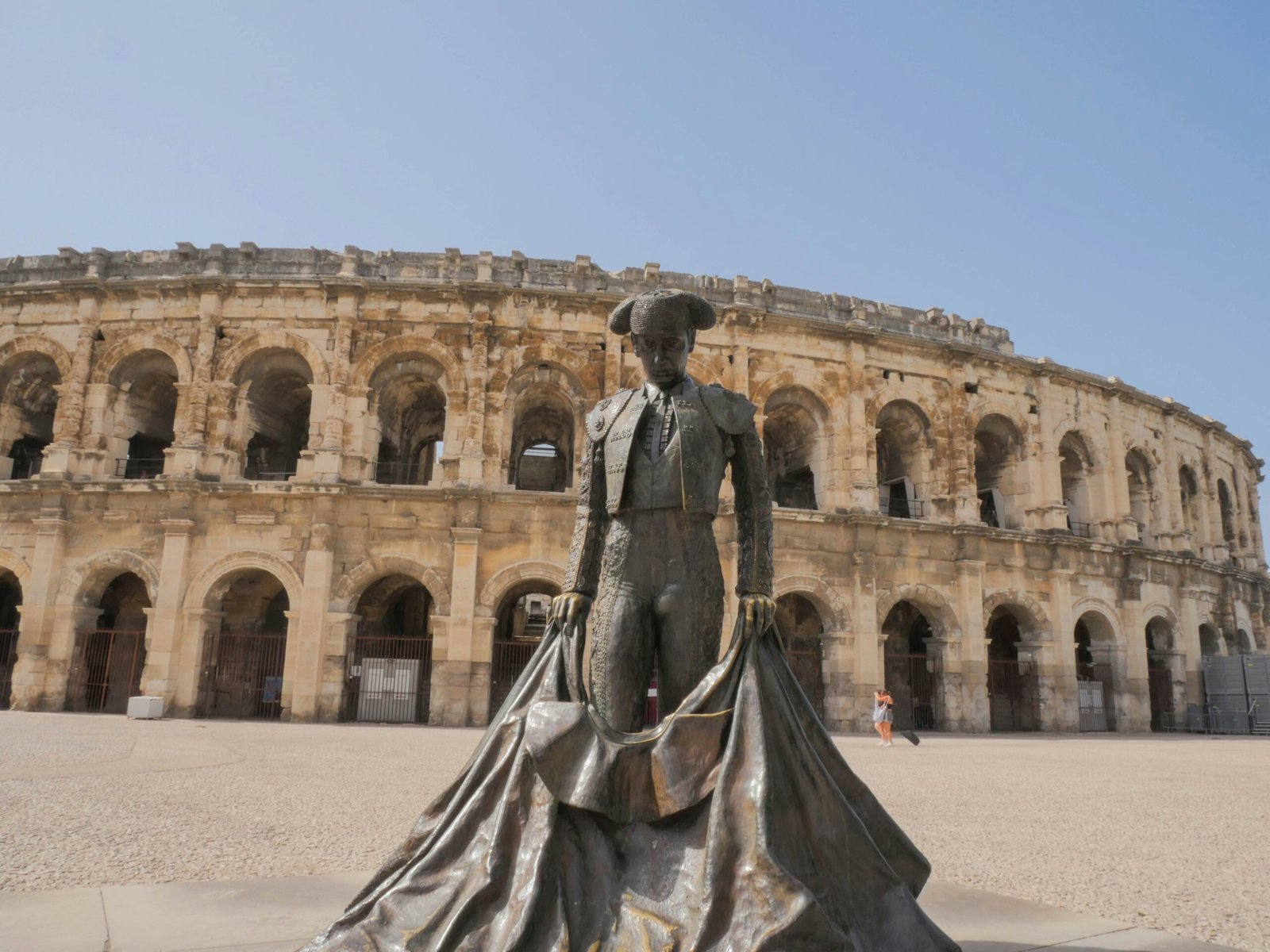
Bullfighting, or tauromaquia, is at a historic crossroads in Spain. What was once seen as an unquestioned part of Spanish identity has become one of the country’s most emotional and political cultural battles.
Key information
- Up to 78% of Spaniards are indifferent or against bullfighting
- Over 80% of young people under 35 oppose it
- Valencia region continues strong support
- Popular street bull events still common on Costa Blanca
A nation divided
The numbers are clear. The majority of Spaniards have turned their backs on the bullring. Large surveys show that around 78% are either indifferent or directly opposed to bullfighting. Among young people under 35, opposition is even stronger – over 80% see it as an outdated and brutal tradition from the past.
How it looks from the Costa Blanca
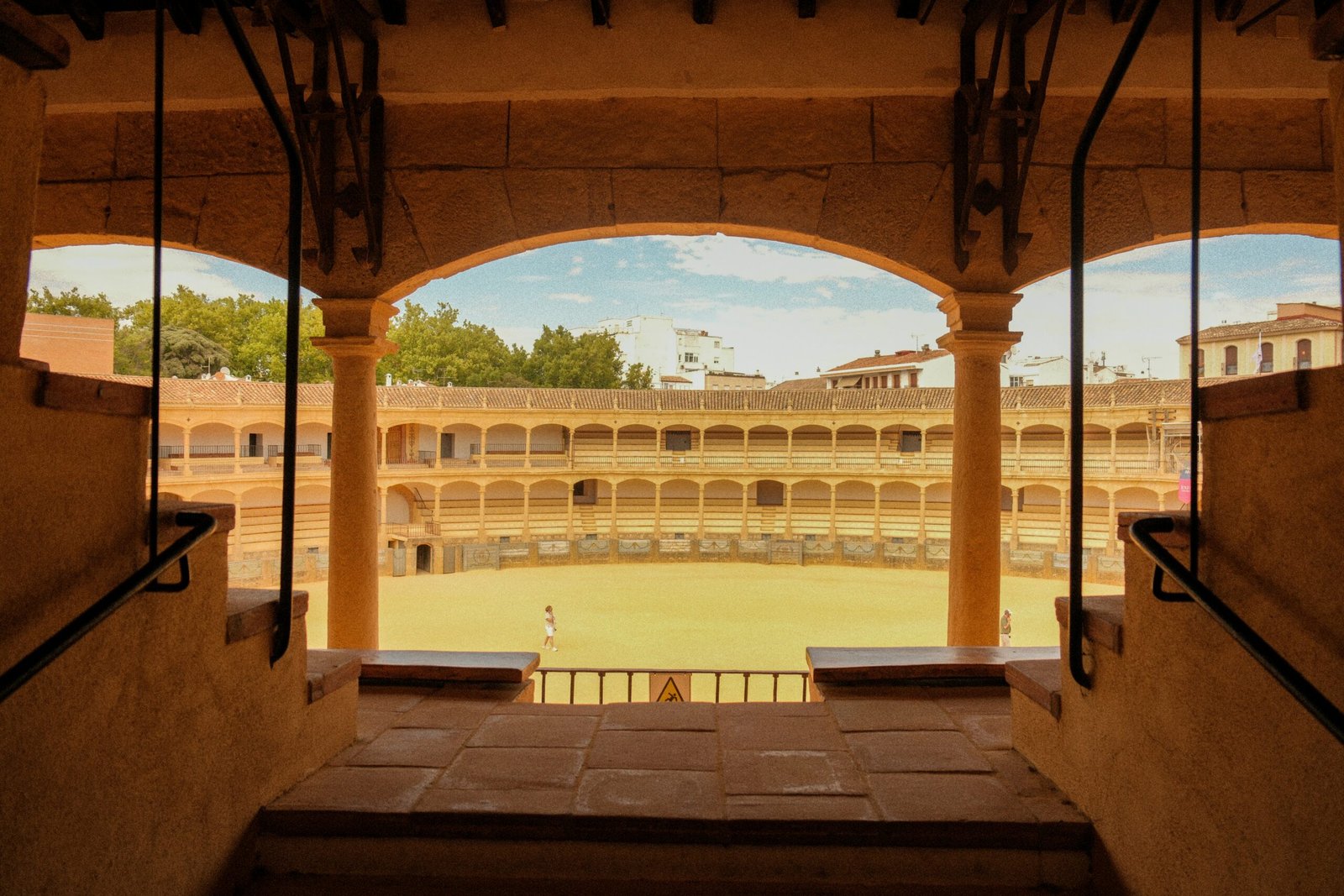
In the Valencia region (which includes Alicante and Costa Blanca), the situation is different from Catalonia or the Canary Islands, where bullfighting has almost disappeared. Here the regional government actively supports the tradition with funding. During big local fiestas like Las Fallas and Hogueras de San Juan, traditional bullfights still draw crowds.
Two irreconcilable views
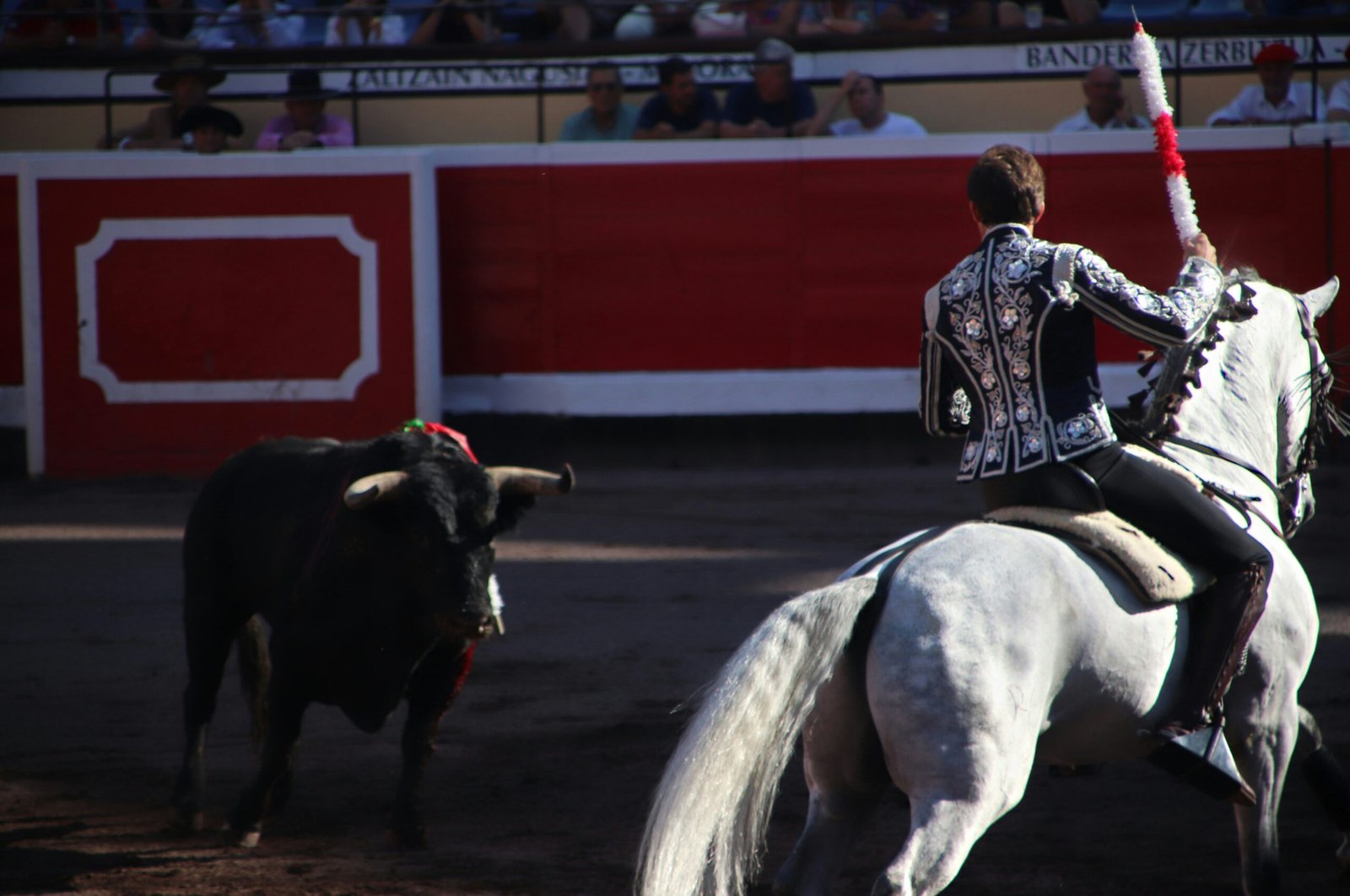
For supporters, bullfighting is not a sport but a ritual art form, similar to flamenco. They see it as a dramatic dance with death where the matador’s courage and elegance create something beautiful.
For opponents, this romantic narrative is simply a way to justify animal cruelty. They see it as a paradox that a modern European democracy still uses public money to torture a living creature for entertainment.
What does the future hold?
Spain remains deeply split between those who see the bullring as a sacred part of historical identity and those who see it as a national shame that belongs to the past. On the Costa Blanca, the contrast is especially visible: modern tourist towns next to traditional inland villages where these old customs are still very much alive.