


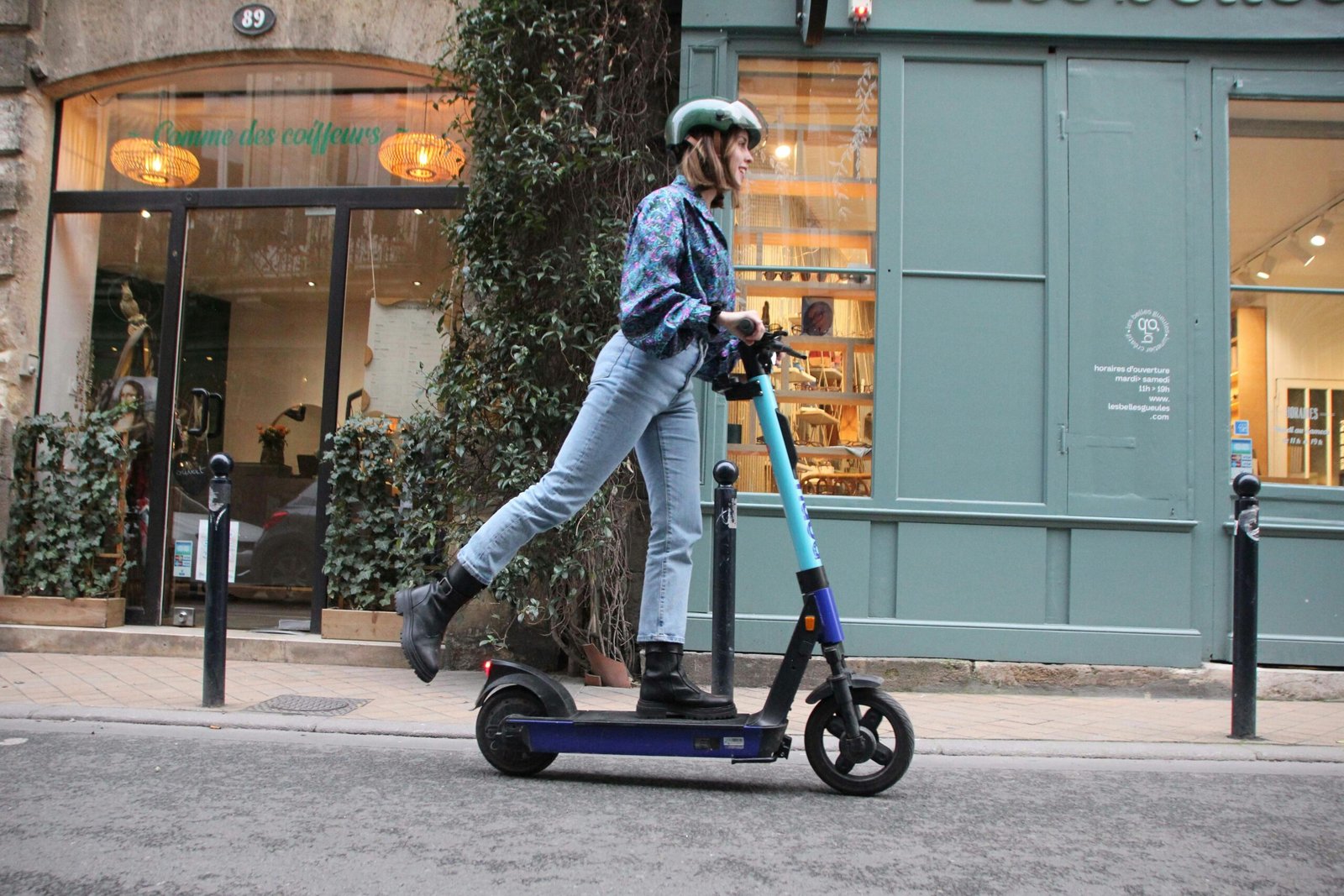
Stricter safety requirements from October 2026
Significant changes are coming for electric scooter users across Spain. From 1 October 2026, new national rules will make helmets compulsory and raise the minimum age for riding.
Key information
- New rules take effect: 1 October 2026
- Minimum age: 15 years
- Helmet: Mandatory for all riders
- Reflective vest: Required at night or in poor visibility
- Applies to the whole of Spain
Why the rules are changing
Electric scooters have exploded in popularity on the Costa Blanca, especially in Torrevieja, Orihuela Costa and Guardamar. However, the sharp increase in usage has also led to more accidents. The Spanish government has now introduced clearer national safety rules.
What riders must do from October
From 1 October it will be illegal for anyone under 15 to ride an electric scooter on public roads. All riders — including adults — must wear a helmet. A reflective vest will also be required when riding at night or in poor light conditions. These changes aim to reduce injuries for both scooter users and pedestrians.
Impact on the Costa Blanca
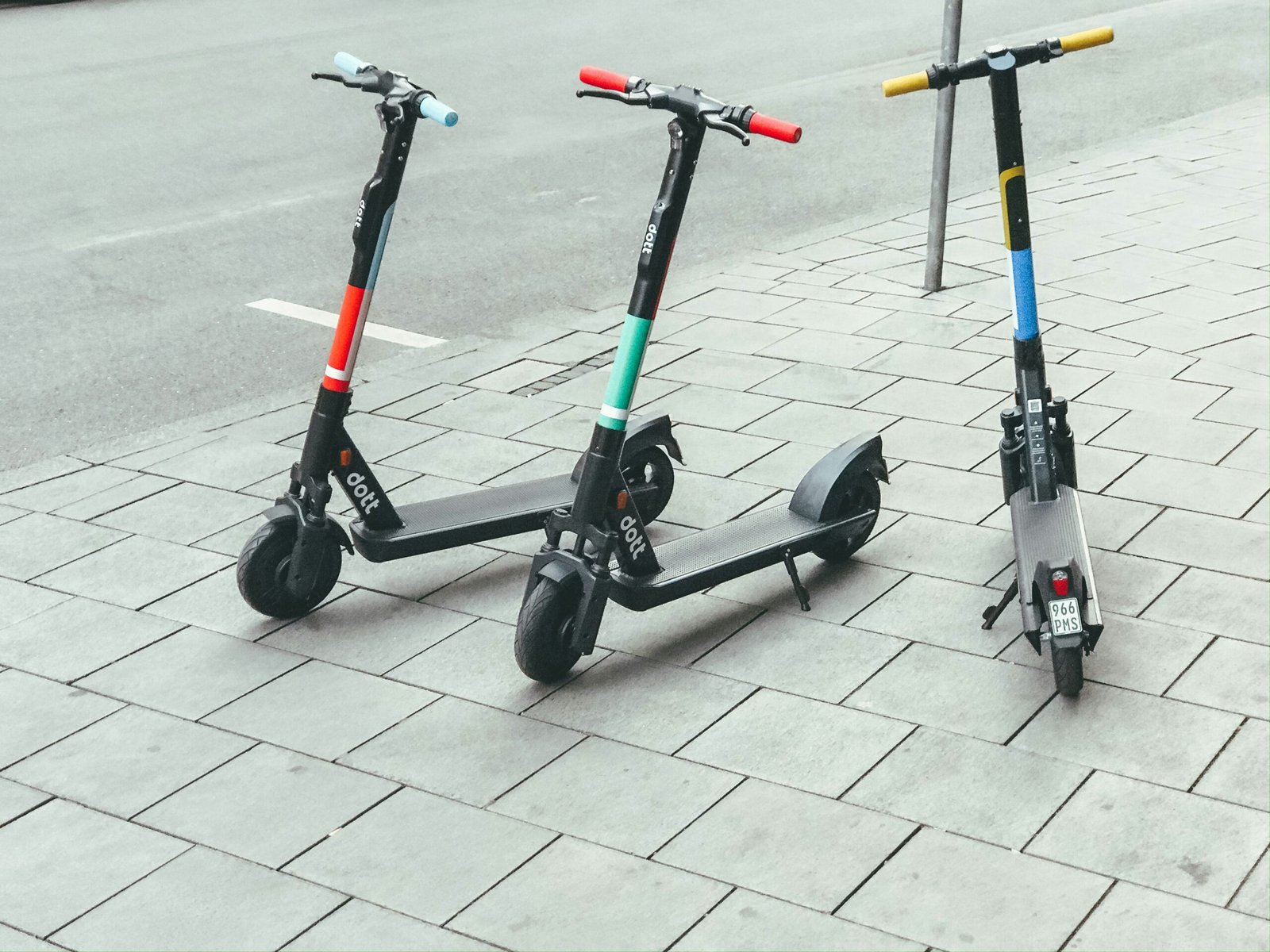
The new rules will affect thousands of residents and tourists who rent or own scooters. Rental companies will need to provide helmets as standard, and many will have to update their procedures before the high season ends. Delivery drivers will be particularly affected by the reflective vest requirement.
Other requirements already in place or coming soon
Most scooters already need liability insurance. Many older models will also need to be registered in a national database. The rules are part of a broader effort to treat electric scooters more like other vehicles in traffic.
What this means for users
If you use an electric scooter regularly on the Costa Blanca, make sure you have a proper helmet and are aware of the new age limit. Families should note that children under 15 will no longer be allowed to ride on public roads. The changes are expected to make scooter use safer for everyone.
While some may find the rules restrictive, safety experts see them as a necessary step to protect users and other road users.